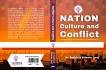
Nation, Culture and Conflict in the Novels of Chinua Achebe & U. R.Anantha Murthy
Keywords:
Chinua Achebe; African Literature; Igbo Culture; Postcolonial Identity; Colonialism.Synopsis
ISBN: 978-93-93806-00-0
The book aims to present the process of narrating the nation by rereading the Select novels of the both novelists. Chinua Achebe is a prominent figure in African Literature. In this book, I have chosen his first three novels Things Fall Apart (1958), No Longer at Ease (1960) and Arrow of God (1964). In his novels, Achebe shows that African writing does not lie in simple imitation of European forms but in the fusion of such forms with oral traditions. Achebe is one of the main consciences of African literature because he has consistently insisted on the power of story-tellers. He writes for his cultural recovery. He vehemently refutes and repudiates the western propaganda of technological civilization which distorted the indigenous norms of community life of the Igbos in Nigeria. Achebe's characters are tormented by sacking of their culture and the despoiling of their personal dignity and self-respect. During his strenuous efforts Okonkwo of Things Fall Apart fails because he was not ready to make compromise with colonial occupation and imposed Christianity on Igbo tribe. Okonkwo fails to change himself according to the changed circumstances. In Arrow of God, the intellectual priest Ezeulu suffers from the colonial Master and from his clansmen. Obi Okonkwo in No Longer at Ease clings to the Western literary imagination and wages of life fails as an individual as well as from the set cultural norms of his own Igbo community. As an active participant of his Country's Cultural heritage, Achebe writes against a particular historical tradition. He presents a national context for his cultural and spiritual experience. His novels achieve universality through a sensitive interpretation of Igbo culture. Achebe uses his African background to explore the human condition of defeat and dejection, pride and power, love and loss.
Chapters
Downloads
Download data is not yet available.
References
Published
March 4, 2022
Copyright (c) 2022 Cavemark Publications
How to Cite
Nation, Culture and Conflict in the Novels of Chinua Achebe & U. R.Anantha Murthy. (2022). CaveMark Publications. https://doi.org/10.64846/jsr3vz15